Kenya faces deepening drug shortages as delivery times hit 24 days
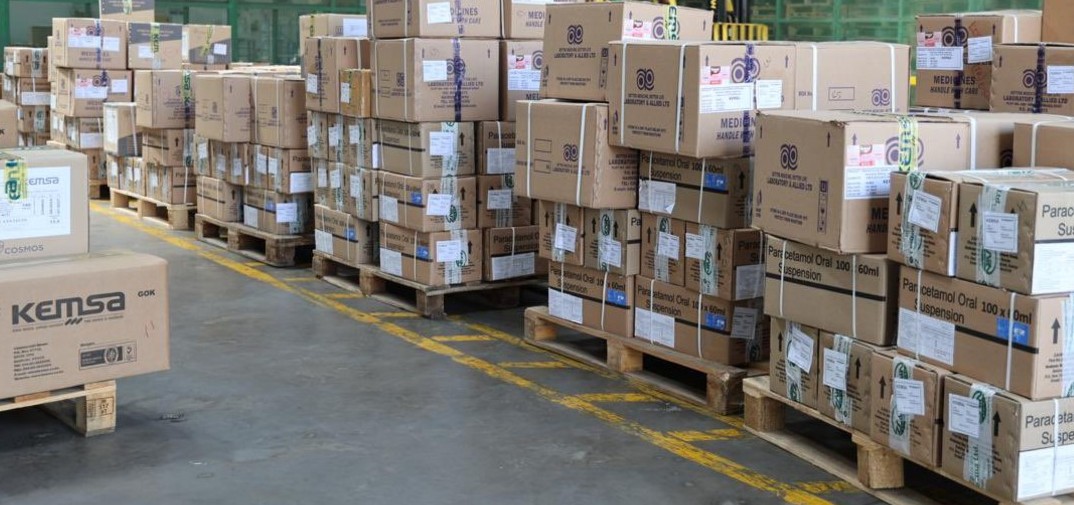
Kenya’s public health facilities now wait an average of 24 days for essential medicines, as Kemsa’s fill rate drops to 55 per cent, leaving patients facing shortages and higher out-of-pocket costs.
Kenya’s public health system is facing a worsening crisis as delays in delivering essential medicines leave patients at risk.
Health facilities across the country waited an average of 24 days to receive critical drugs and medical supplies in the year ending June 2025, forcing many Kenyans to purchase medicines privately or skip treatment altogether.
Delivery times, which cover the entire process from placing an order to receiving goods, have steadily increased over the past few years.
The average turnaround period for health orders more than doubled the official 10-day benchmark, adding 14.2 days in 2024/25.
This is a 43.2 per cent increase compared to 16.9 days recorded three years earlier, pointing to deep-rooted issues in the supply system rather than isolated delays.
The situation has deteriorated progressively. In 2023/24, delivery times were 20.1 days, already far above the target. By June 2025, the average wait reached 24.2 days, representing a 142 per cent deviation from the official standard.
“Targets were not met due to low on-time order integration, especially for programme orders that led to long order processing,” the State Department for Medical Services explained in its annual report.
The delays have directly affected the availability of medicines. The fill rate, the percentage of items that the Kenya Medical Supplies Authority (Kemsa) can provide when ordered, dropped to 55 per cent in 2024/25, well below the 90 per cent national benchmark.
Over three years, performance fell from 66 per cent in 2022/23 to 62 per cent in 2023/24, and then to 55 per cent, showing a downward trend that threatens service delivery.
The report highlighted cash flow issues and delayed supplier payments as key contributors to the problem.
“Though the order fulfilment rate for Kemsa Capital essential commodities has been decreasing, this can be attributed to low stock availability occasioned by long supplier payment times, due to strained cash flow/lack of adequate capitalisation,” it stated.
Financial gaps at the county level have worsened access to essential drugs. Unpaid bills to Kemsa from county governments and the Ministry of Health, totalling about Sh1.9 billion, have constrained stock availability.
As a result, only 40.3 per cent of essential medicines were on hand when patients sought care. Despite the procurement and distribution of medical supplies worth over Sh115 billion in three years, many facilities continue to face shortages.
Kemsa supplies reached an average of 11,540 health centres and testing sites across all 47 counties, providing wide coverage but highlighting persistent inefficiencies in timely delivery and stock management.
With billions invested, patients continue to face gaps in essential medicines, underscoring a supply chain crisis that demands urgent attention.
Top Stories Today